Autobrush® Adults

Brush head size guide

Pick the correct brush head size based on the user's age, or you can base it on the actual size of the user's mouth. Refer to our size chart to find the best fit. To measure the size of your mouth, you can use dental floss to determine the right size for you. Our AutoBrush Pro Brush Heads are designed to have the following measurements.

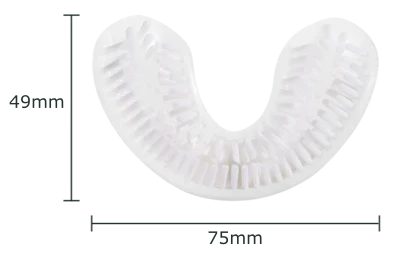
Adult small brush heads

Brush head measures 49mm from front to back and 75mm across at the widest point.

measurements for adult regular brush heads

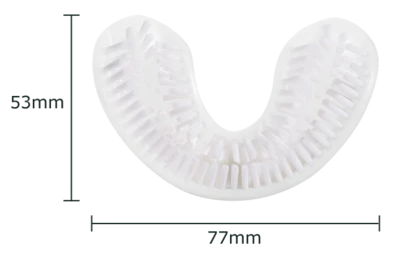
Adult regular brush heads

Brush head measures 53mm from front to back and 77mm across at the widest point.

measurements for adult regular brush heads

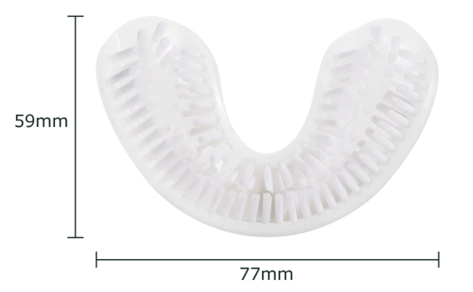
Adult XL brush heads

Brush head measures 59mm from front to back and 77mm across at the widest point.

measurements for adult XL brush heads

Still unsure? We’re happy to help!

Our team is here to answer all your questions on sizing or product features. Just contact us at customercare@autobrush.com

Fluoride vs Nano-HAp

What is the difference between Fluoride and Nano-HAp?

Fluoride and Nano-Hydroxyapatite (Nano-HAp) both enhance dental health effectively. Fluoride is renowned for its ability to strengthen tooth enamel and prevent cavities. Nano-HAp offers a similar benefit as a fluoride-free alternative, perfect for those who prefer it, and is especially safe for children who might swallow toothpaste.

Learn more about Fluoride and Nano-HAp in our blog.

My Account

Reset your password

We will send you an email to reset your password

Cancel

Welcome Back!

Log into your account to:

  • Checkout faster
  • View your order history
  • Manage AutoShip orders
  • Access order status

My Account

Create account

Creating an account makes it easier to:

Happy teeth makes a happy family!

Should the tooth fairy be visiting so soon?

What is premature tooth loss?


"Permanent" teeth shouldn't start coming in until 6 years at the earliest.


People generally have two sets of teeth, commonly known as “baby” teeth and “adult” teeth. Age-range varies, but at around 6 months of age is when a human will start sprouting their first set of teeth. Eventually, this first set of teeth will naturally fall out, giving way to a “permanent” set of “adult” teeth.

Baby teeth typically begin to come loose between ages 6 and 12, so there is a wide range of acceptability for losing baby teeth. Sometimes, it can even be normal to go outside of this range. However, premature tooth loss is when children begin to lose these teeth far earlier than expected, as a result of infection or disease.


What causes premature tooth loss?


Rotting teeth from candy can cause premature tooth loss.


A wide range of infections or diseases can cause teeth to rot out early. Periodontal disease can cause teeth to fall out early, especially if it’s not treated. Not only disease, but trauma can cause premature tooth loss as well. A child who is accidentally hit in the mouth playing sports can be subject to premature tooth loss.


How to treat premature tooth loss


The dentist is always your best source for dental issues.


The first step is going to the dentist. If your child lost a tooth that wasn’t loose, it could be a sign of a larger problem. They could have a number of oral diseases, or possibly have fractures in the mouth. It’s possible they require treatment.


How to prevent premature tooth loss


Proper dental care such as with AutoBrush is essential to preventing premature tooth loss.


Proper dental care is essential to prevent premature tooth loss. This includes regular dental visits for cleanings, as well as a strong at-home dental care routine. For the strongest at-home routine, check out AutoBrush’s collection of oral hygiene products. The AutoBrush for Kids is the next step in children’s at-home dental care, featuring automatic cleaning, fun sing-along songs, and beautiful animal designs.

Back to blog

Leave a comment