



Pacifier Dos and Don'ts
No one wants pacifier teeth. Even though babies love pacifiers, most modern parents are concerned about the effects they could have on their child’s teeth, and rightly so. Pacifiers can indeed cause teeth to grow and develop abnormally, but they can also cause mouths to grow abnormally as well. However, this doesn’t mean babies shouldn’t ever use pacifiers, so don’t go tossing your child’s pacifier out just yet. When used properly, pacifiers can be a great way of comforting your baby, without any of the risk of pacifier teeth.
Bad Effects of Pacifiers

Babies and toddlers are growing humans, which means their physical body is constantly changing shape. Because of this, when they use a pacifier for too long, it helps to determine the shape of both their mouth and teeth. In fact, their jaws will literally form around any objects held inside their mouth consistently. Long-term use of a pacifier will likely push the front teeth forward, and make teeth crooked in general.
How to Avoid Pacifier Teeth

Not to worry, as pacifiers can actually be good for babies as long as they’re used properly. Ideally, you want your child completely done with pacifier use by age two. Any longer can lead to severe dental effects. According to the American Academy of Family Physicians (AAFP), babies who use pacifiers have a reduced risk of infant death syndrome. You’ll want to wait to introduce your baby to a pacifier until after 1 month, and make sure they are completely weaned off by two years or earlier.
Thumbs vs Pacifiers

Believe it or not, thumbsucking is actually worse for your child than pacificers. The American Academy of Pediatric Dentistry (AAPD) recommends pacifiers over thumbs. The fact is that infants have a natural tendency to want to suck on things, and if we don’t give them something like a pacifier to suck on, they will automatically go to their thumb. Be sure to use one-piece pacifiers with no special attachments, and clean it regularly.
How to Wean Off of a Pacifier
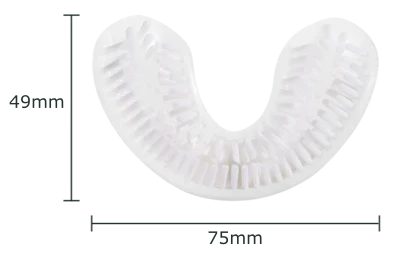
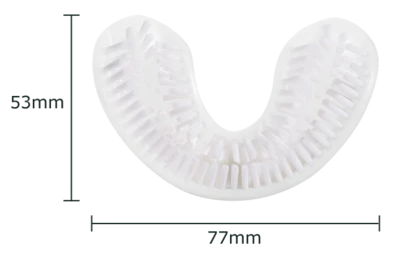
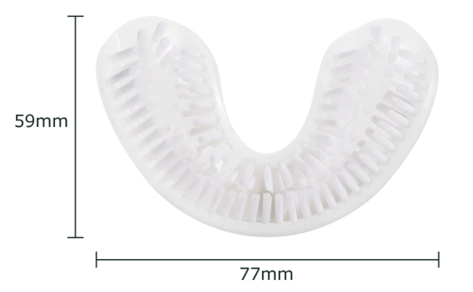
Like with most hard work in life, there’s no secret weapon to weaning your child off a pacifier. The best you can do is use encouraging words to show them they no longer need it. Use rewards when they aren’t using it. Try to avoid stressful situations as much as possible when in the process of taking them off the pacifier. Keep up with their oral hygiene as usual, and consider switching them over to an AutoBrush for Kids, as a new and improved replacement!


